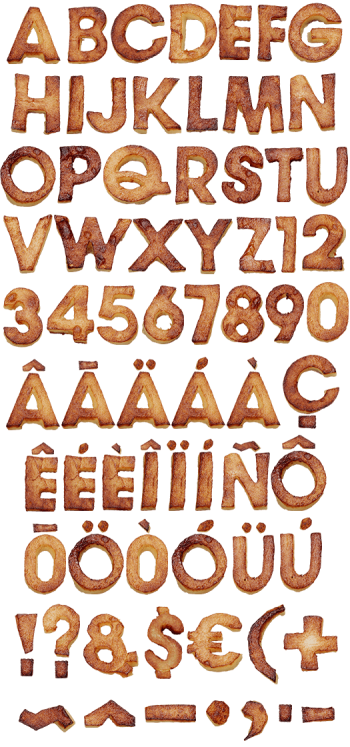
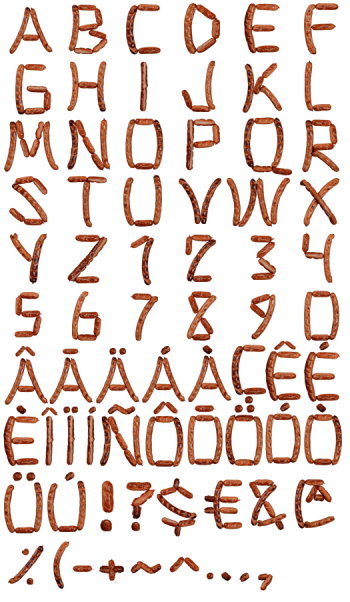
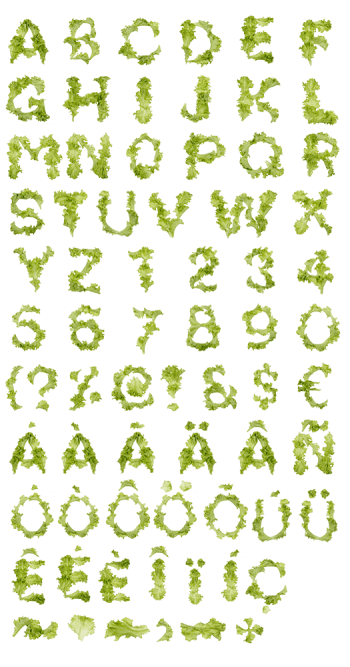
Wooden you believe it? The “Wood Log Font” is here to branch out your creativity! Each letter looks like it just rolled out of the forest, made from sturdy logs and quirky branches. This wood alphabet is so natural, it practically smells like pine. Perfect for wood typography projects that scream, “I’m knot kidding!” Whether you’re designing for lumberjacks, tree huggers, or just someone who loves a good pun, this wood-inspired font will leaf your audience laughing. So, don’t be a sap—add a touch of rustic humor to your designs with the “Wood Log Font”!
Go Rustic With Wood Log Font!
Right, let’s talk about “Wood Log Font”—a typographic marvel that answers the age-old question: “What if trees wanted to communicate?” Each letter in this font is painstakingly crafted from barked wood, which, let’s be honest, is far more impressive than anything we’ve carved out of plastic or metal. This isn’t your average wooden font; it’s the VIP of typography. Think of it as the Beyoncé of eco-friendly lettering.
Imagine the forest itself decided to get into the graphic design game—except instead of pitching minimalist Helvetica knockoffs, it went full-on natural artisan. Each letter is made up of logs, complete with rich, detailed textures showing off natural grains, gnarly bark, and the sort of inner wood layers that make you wonder if trees have their own skincare routines. The curves are smooth where they need to be and rugged where it counts, creating the perfect balance between “Look, I’m artsy!” and “I’m too cool to try hard.”